 legitech
Okay, so check this out—browser extension wallets feel like magic until they don’t. Whoa! You click approve, and suddenly a handful of dollars can vanish. My instinct said the UX was the problem at first. Hmm… then I dug deeper and realized the attack surface is smaller than you think, but also sneakier.
I’ll be honest: I’m biased toward extensions because they’re fast and convenient. But that convenience comes with nuance. On one hand they let you trade in seconds and manage dozens of tokens without leaving your tab. On the other hand, a single malicious script or a careless click can spit out your private keys or drain approvals. Initially I thought strict permissions would solve everything, but actually, wait—let me rephrase that: permissions help, but they’re not a panacea. Users, browsers, and sites all work together in this little dance, and one misstep is enough.
Here’s what bugs me about most security write-ups: they list the same 7 rules and move on. True, you should lock your seed phrase in a hardware wallet. Sure, update your extensions. But those tips miss the everyday decisions that matter, the ones you make dozens of times a week when you approve a contract or switch networks. So let’s talk practical, real-world defenses that actually reduce risk without turning your workflow into a thesis.
Threat landscape, bluntly
There are three layers to worry about: the extension itself, the web page interacting with it, and your browser environment. Short list: phishing, malicious dapps, compromised browser extensions, supply-chain attacks, clipboard hijackers, and over-granting token approvals. Seriously—token approvals are the silent killer. You give a dapp approval for a token and forget it. Months later, some exploit emerges and bad actors sweep your balance.
My gut feeling about approvals? Treat them like adults treat their email inbox: be ruthless. Revoke what you don’t use. Use spend limits where possible. If an approval asks for unlimited spend, back away. Really. I once left a 0x approval open and thought, “nah, who would.” Famous last words.
On the technical side: extensions expose an RPC bridge to webpages. That bridge is necessary, but it’s also the surface attackers target. A compromised site can call window.ethereum or extension-specific APIs and coax a user into approving something malicious. So think of approvals as digital signatures; check the payload, not just the number.
Practical defenses that actually fit into your day
Short actions first. Use a dedicated browser profile for Web3 activity. Create a separate profile or a throwaway browser solely for interactions with unknown dapps. It’s simple and effective. Medium-term: consider a hardware wallet for anything over a modest amount. Long-term: compartmentalize approvals—use ephemeral wallets for high-risk interactions.
Also—this is basic but overlooked—block third-party scripts and trackers when you’re not interacting with dapps. Ad/script blockers reduce the chance that a malicious affiliate script will inject something sketchy. Will it stop everything? No. But it reduces noise and lowers the probability of an accidental click leading to disaster.
Here’s a practical checklist I keep on my browser toolbar: 1) Open dapp in isolated profile. 2) Check URL and SSL. 3) Review contract call details (method names matter). 4) Use a spend-limited approval if available. 5) Revoke approvals after the session. Repeat. Simple, right? Yet very very important.
Extension hygiene: choosing and maintaining a wallet
Pick a wallet that prioritizes clarity in the UI and gives you granular controls. Not all wallets are built equally—some hide the contract details behind layers, others show raw calldata that means nothing to most folks. You want balance: clear prompts, clear contract names, and easy access to revoke approvals. I’ll say it plainly: try a few and stick with one you understand.
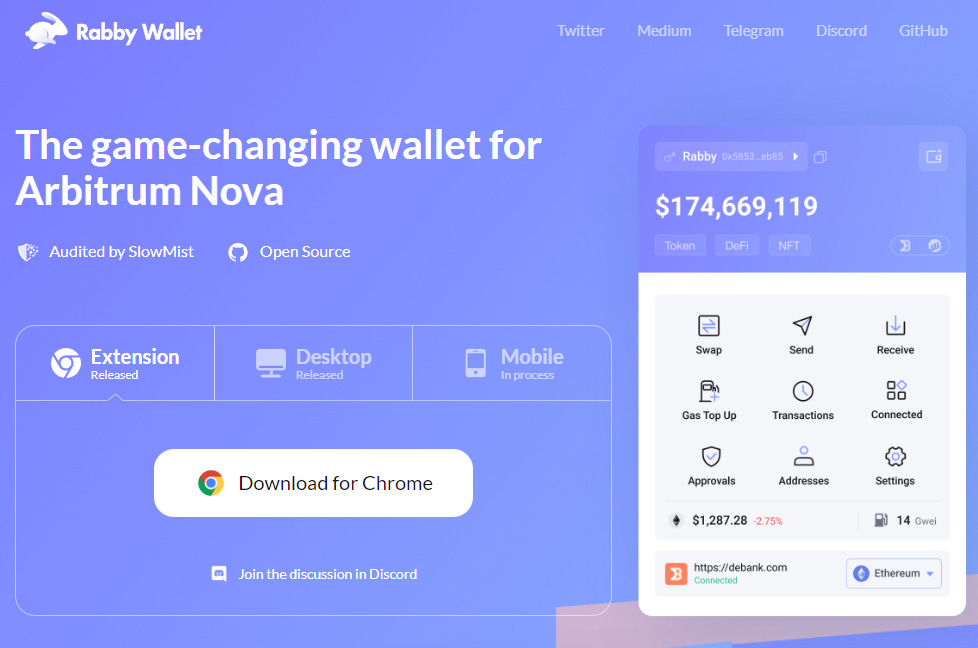
If you want a practical option to test, consider exploring Rabby for daily extension use because it focuses on granular approvals and safer UX patterns. For a quick download, go to https://sites.google.com/cryptowalletextensionus.com/rabby-wallet-download/. It’s not an endorsement that it’s perfect—nothing is—but it’s an example of tooling that treats approvals seriously.
Update your extensions regularly. That includes the wallet and the browser. But also be wary of “auto-update” supply-chain risks; review change logs when something major ships. On one hand auto-updates patch vulnerabilities fast; on the other, a malicious update could be catastrophic. So I keep critical funds cold or in hardware while testing new extension releases with minimal balances.
Behavioral tweaks that reduce risk
Small habits matter. Don’t copy/paste seed phrases. Use a reputable password manager for seed‑phrase backups only where encryption is strong—better yet, store seeds offline. If you must copy an address, choose the “copy” button inside the wallet UI; malware that monitors the clipboard will still sometimes succeed, but it’s one more barrier.
Also: when connecting a wallet, ask yourself what you gain and what you give up. If a dapp asks for profile access or token approvals you don’t need, deny and reload. If the dapp seems like a clone of another site, proceed with extreme caution. Phishing clones can look identical and slip past a casual glance.
One more: audit contracts when possible. You don’t need to be Solidity fluent to spot red flags. Look up the contract address on explorers, check for audits, and see if the code makes sense to the community. If there’s no trace of the contract outside the dapp, that’s a red flag.
When things go wrong—immediate steps
If a wallet extension behaves oddly, disconnect it and revoke all approvals immediately. Move remaining funds to a new wallet that you control with clean device hygiene. Report suspicious sites to communities and to the wallet team—many wallets will blacklist malicious domains. And definitely change passwords and review other linked services.
Sometimes the simplest move is best: freeze approvals. Some wallets provide a quick “revoke all” or let you set spending caps. Use those features
FAQ
How often should I revoke approvals?
Regularly. If you use a dapp once, revoke after the session. For frequent dapps you trust, check approvals monthly. It’s low-effort and prevents long-term exposure.
Are hardware wallets necessary?
Not always, but for funds that matter—yes. Hardware wallets add a strong layer. For day trading small amounts, a well-configured extension can suffice; for savings and large trades, hardware is worth the friction.
Can I rely solely on a browser profile?
No single measure is enough. A dedicated profile reduces cross-site contamination but combine it with blockers, granular approvals, and behavioral caution for meaningful security gains.